

High Voltage Test Setup: Safety Measures and Best Practices
The high-voltage test setup is certainly not something that is taken lightly. As soon as voltage exceeds a few hundred volts, the margin for error disappears, and that is why every engineer and technician involved in high voltage testing takes it seriously and is precise in the execution of their work.
Testing at high voltage helps confirm that insulation, materials, and protective systems can withstand real electrical stress, not just in ideal lab conditions but in actual working environments. A well-designed test setup does more than prove compliance; it protects people, equipment, and reputations.
What High Voltage Testing Really Means
At its core, high voltage testing is a check on insulation integrity. It’s performed on components like transformers, cables, switchgear, circuit breakers, and motors to ensure they can safely handle operational voltage levels and occasional surges.
There are a few main types of tests:
- Dielectric withstand test: Pushes voltage beyond the normal operating range to verify insulation strength.
- Insulation resistance test: Measures how much current leaks through insulation; lower resistance means possible deterioration.
- Partial discharge test: Detects tiny insulation flaws before they grow into full failures.
These tests are often done after manufacturing, before commissioning, or during scheduled maintenance.
Why Safety Matters More Than Speed
High voltage testing is one of those areas where a rushed job can cost lives. Even a minor issue — such as a loose connection or grounding failure can lead to a deadly discharge. The electrical energy stored in high-voltage setups doesn’t forgive carelessness.
The best labs and test bays operate under a single rule: safety is part of the process, not a separate step.
Essential Safety Measures for Every Test Setup
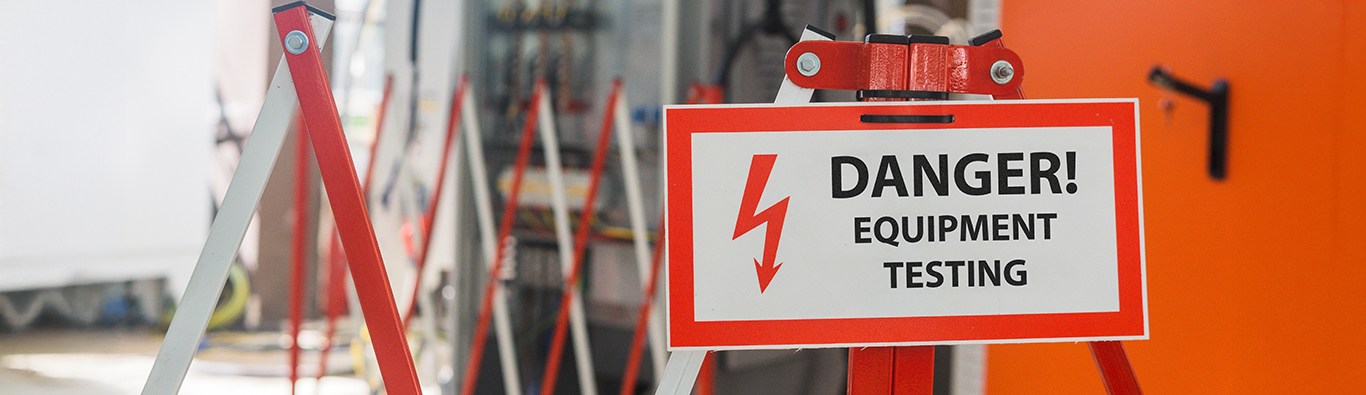
- Designated Test Zone The testing area should be secured to the workplace by some combination of physical barriers, warning signs, and restricted access. A marked and clear floor plan helps keep the cables organised.
- Grounding Before and After Tests Anything that’s been energised needs to be safely discharged and grounded before handling. Residual charges are invisible but dangerous.
- Interlocks and Kill SwitchesA proper setup includes automatic cut-offs. When a gate or door opens, the test voltage should drop instantly.
- Using insulated Tools and MatsOperators should stand on insulated flooring while handling the tools.
- Protective Gear Depending on voltage, PPE can include rubber gloves, dielectric boots, face shields, and flame-resistant clothing.
- Remote Operation When Possible Many test benches now support remote start and monitoring. Keeping distance from the energised equipment reduces exposure.
- Routine Equipment Checks Before any test, inspect leads, connectors, and insulation sleeves. Faulty test cables are a silent hazard that often goes unnoticed.
Good Testing Habits That Keep People Safe
- Stick to the written procedure. No shortcuts, no exceptions.
- Check insulation resistance before applying voltage — it’s the first sign of a potential problem.
- Never work alone. A second trained person nearby can make all the difference during an emergency.
- Confirm area clearance. Everyone should be aware that a test is in progress before voltage is applied.
- Maintain proper communication. If multiple people are involved, use clear signals or intercoms.
These small habits make a bigger difference than any expensive safety equipment.
Keeping Test Equipment in Good Shape
High-voltage testing gear needs as much care as the devices it tests. Worn connectors, cracked insulation, or faulty meters can create misleading results or safety risks.
Schedule preventive maintenance, recalibration, and visual inspections regularly, at least once every 12 months, or more often in high-use setups. Maintain a detailed logbook for each testing system to record history and performance, helping you to see trends as the tests progress.
Keeping Test Equipment in Good Shape
High voltage testing is a function of accuracy and safety for the personnel working in the area. A well-planned setup will not only test the strength of insulation but also provide for a team’s assurance that their systems will withstand pressure.
Crest Test Systems continues to collaborate with power utilities, manufacturers, and research labs to develop safer, faster, and reliable high voltage test solutions.
For safe, accurate, and dependable high voltage test solutions, talk to Crest Test Systems. Our setups are designed for consistency, backed by engineering insight and field-tested reliability.
FAQs:
It’s a controlled system used to check the insulation and performance of electrical equipment under stress, ensuring safety and reliability.
Isolation, grounding, use of interlocks, PPE, and clear test procedures.
Through insulated work zones, proper barriers, remote controls, and training.
Electric shock, arc flash, and insulation breakdown.
Insulated gloves, safety boots, flame-resistant suits, and face shields.
Visual inspection, insulation resistance check, gradual voltage application, and controlled discharge.
Unexpected current surges or visual breakdowns in the insulation layer.
Inspect all cables, verify grounding, confirm area clearance, and test the control system.
Regular calibration, insulation checks, and keeping detailed maintenance records.
At least annually, or sooner if the system is heavily used.