

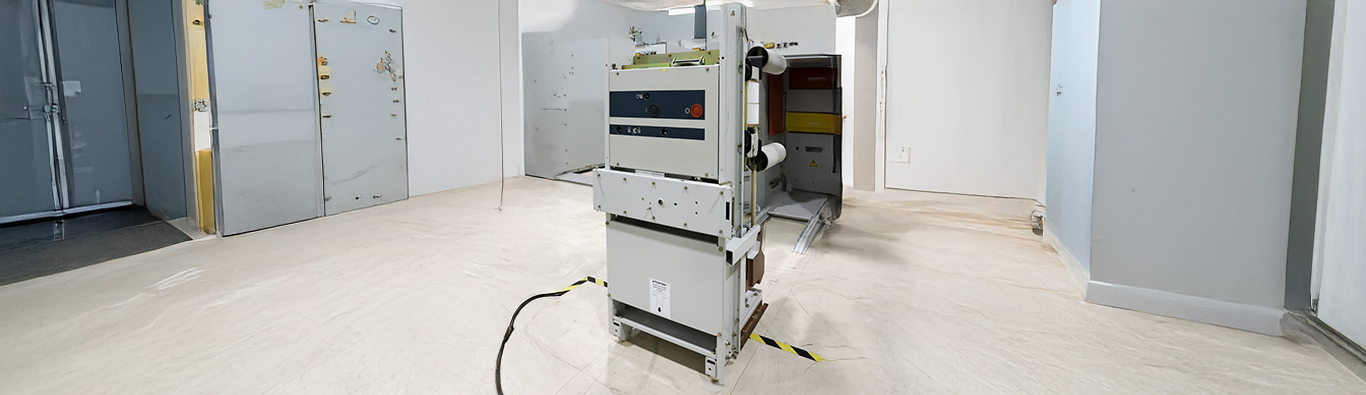

Why Regular Testing of Vacuum Circuit Breakers is Essential for Power Systems
In this era of speed, power systems are the key pillars of industries, houses, and businesses. Their safety and reliability are paramount so that there is no restraint in providing electricity and there may not be any disconnection. A vacuum circuit breaker (VCB) is an extremely crucial component in maintaining the stability of power systems. Vacuum circuit breakers need to be tested at routine intervals so that they are at their best performance and reliable. We are going to describe below why the testing of vacuum circuit breakers is very critical to the functioning and safety of power systems.
What is a Vacuum Circuit Breaker?
Vacuum circuit breaker (VCB) is among the electric switches used in switching off electric current when it finds a fault. VCB uses vacuum to suppress the arc of electricity that has been formed when de-energizing the current. . Compared to other circuit breakers, where air or gas is applied when they are de-energizing the arc, VCB applies vacuum and therefore it is an effective and efficient device in the power system.
How Does a Vacuum Circuit Breaker Work?
If a fault is experienced, the vacuum circuit breaker will isolate the flow of current by opening the contacts. Upon opening of the contacts, the arc connecting the contacts gets extinguished within a vacuum chamber in a manner that the apparatus is not damaged. Due to the vacuum having high dielectric strength, it is more appropriate for use in such applications as the vacuum is highly effective in insulating voltage at high values.
The Importance of Circuit Breakers in Power Systems
Power system circuit breakers are very important in the operation of power systems. They are protective devices that are used to avert system overloading and safeguard humans and equipment against power system faults. It is easy for a circuit breaker in a power system to cut off power when a fault is detected to prevent further damage.
For power systems to be effective and secure, these breakers need to operate as required. To make this possible, vacuum circuit breaker testing will be required, and this will lead to rapid and efficient switching off of current flow by the breakers during faults. Non-testing will lead to equipment failure, system breakdown, and even electrical hazard to be highly likely.
Key Benefits of Circuit Breakers in Power Systems:
- Fault detection and isolation: Avoids faults in the circuit in a short time for overall system stability.
- Avoids damage: Avoids transformers, generators, and other massive equipment from fault-incurring damage.
- Safety of personnel assured: Avoids electrical shock possibilities and fire hazards, protecting the workforce and buildings.
Why is Regular Testing of Vacuum Circuit Breakers Essential?
1. Ensures Reliability and Performance
Periodic testing of vacuum circuit breakers avoids breaker failure at a time when it is most needed. VCB parts can fail or degrade over a period of time. Without testing, there are chances that the breaker may not interrupt the fault current, and it incurs system down time as well as costly damage. Testing avoids early faults to go undetected, and maintenance or replacement can be done before the system fails.
2. Prevents System Failures
The function of the circuit breaker in power system is critical in preventing system failure. Poor performance during high-voltage levels could result in causing system-wide failure or catastrophic accidents. VCB testing helps in preventing the failure of the breaker in meeting high-voltage fault levels and cascading power grid failures.
3. Enhances Safety
VCBs are also important in making equipment and personnel associated with electrical systems safe. Defective circuit breakers can cause electric shock, fire, or explosion under adverse conditions. Testing guarantees VCBs will perform their safety function and minimize risks to employees and facilities.
4. Compliance with Standards and Regulations
All the regional power system operators must adhere to some level of operation and safety, i.e., either International Electrotechnical Commission (IEC) or ANSI. Vacuum circuit breaker test on a regular basis ensures regulatory legislation compliance of such systems so that instances of legal disputes don’t arise and the system becomes extremely reliable.
How Does VCB Testing Improve Power System Reliability?
Vacuum circuit breaker test provides valuable information regarding its performance and service behaviour. It is utilized for the following purposes:
- Identification of wear and tear: Testing after a sequence of regular intervals may identify signs of wear, such that the defective elements are replaced prior to their becoming a cause for failure.
- Contact performance testing: Testing can identify if the breaker’s contacts are in a good condition and open and close when necessary.
- Dielectric strength test: Maintains vacuum chamber of the breaker with high holding capacity and prevents arcing.
Periodic testing of VCBs will allow power system operators to maintain all the breakers in healthy working conditions and hence improve the reliability and stability of the system.
Conclusion
Vacuum circuit breakers need periodic testing in order to determine the safety and quality of power systems. VCBs are a worthy addition to electrical equipment protection, system stability, and human life protection. Faults are determined before occurrence, preventing system failure and ensuring fault-withstanding capability by breakers. Compliances, operation performance, or safety factors, testing ensures that VCBs operate effectively in order to reduce the risk of sudden blackouts or accidents.
If you’re looking for reliable vacuum circuit breaker testing solutions, Crest Test Systems offers advanced tools designed to ensure your power system operates smoothly and safely. Contact us today to learn more about our testing solutions.
FAQs:
A vacuum circuit breaker interrupts the flow of current in the event of a fault. It uses a vacuum to extinguish the electrical arc that forms when the contacts separate, preventing damage to the system.
Circuit breakers protect power systems from overloads and faults by quickly interrupting the flow of current. They prevent damage to electrical equipment and enhance the safety of both the system and personnel.
VCB testing ensures that the circuit breaker functions properly, identifies wear or damage, and verifies that it can safely interrupt current during a fault. This enhances the overall reliability and safety of the power system.
A vacuum circuit breaker is an electrical device that uses a vacuum to extinguish arcs when interrupting current flow during faults. It provides a reliable and efficient solution for maintaining system safety in high-voltage power networks.