


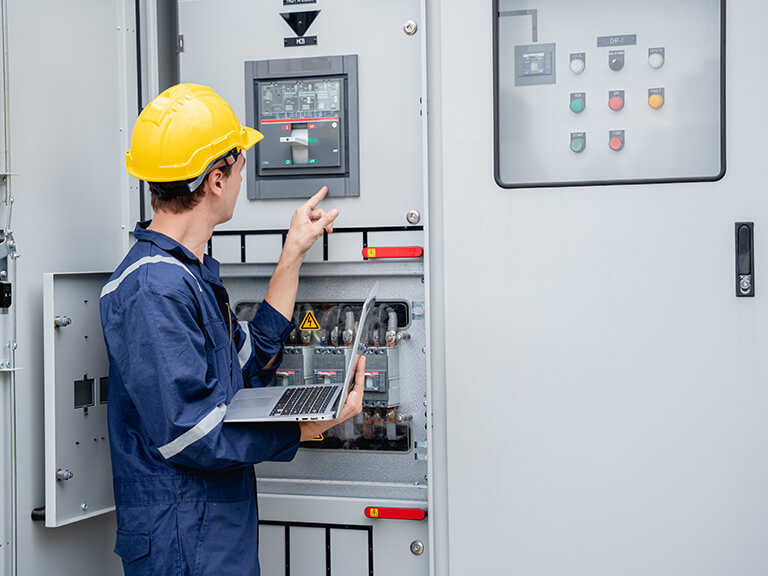
Electrical Testing Checklist for Annual Maintenance Shutdowns
Every plant shutdown has a long to-do list, whether it is checking the pumps and compressors or recalibrating transmitters. Electrical teams, meanwhile, have to deal with equipment that usually runs nonstop. That access is valuable.
Electrical systems rarely fail without warning. Before a breaker refuses to trip or a cable insulation breaks down, there are small signals: rising resistance, insulation deterioration, and slow breaker operation. These are the things engineers look for during shutdown testing.
A structured electrical testing checklist helps maintenance teams use that shutdown window effectively. The goal is simple: confirm that the plant’s electrical infrastructure will run safely for another year of operation.
Why Electrical Testing Is Done During Planned Shutdowns
Most electrical assets operate continuously. Opening switchgear or isolating transformers during production is risky and often impractical.
A planned shutdown changes that.
Once the system is safely isolated, engineers can perform deeper inspections and tests that simply cannot be done on live equipment. That includes insulation testing, breaker diagnostics, and inspection of connections inside switchgear panels.
This kind of annual electrical equipment testing is part of preventive maintenance in most industrial facilities. Instead of waiting for equipment to fail, the shutdown becomes an opportunity to verify system health.
Equipment Typically Tested During a Plant Shutdown
A typical plant shutdown electrical inspection focuses on equipment that distributes power throughout the facility.
Common assets included in the shutdown testing program are:
- Power transformers
- Circuit breakers and switchgear
- Busbars and cable joints
- Motors and motor control centres (MCCs)
- Protection relays
- Distribution panels and control circuits
These systems form the backbone of the plant’s electrical network. If one fails unexpectedly, the result is usually unplanned downtime.
Core Electrical Testing Checklist for Annual Shutdowns
Every plant has its own maintenance plan, but most preventive electrical maintenance checklists include a similar set of tests.
1. Insulation Resistance Testing
Insulation resistance testing checks the condition of insulation in cables, transformers, and motors. Over time, insulation materials degrade due to heat, contamination, and moisture. These changes reduce the insulation’s ability to prevent current leakage.
Testing insulation resistance during shutdown helps engineers detect early deterioration before it turns into a ground fault or short circuit.
Typical equipment tested includes:
- Motor windings
- Power cables
- Transformer windings
- Busbar insulation
2. Contact Resistance Testing
Electrical connections are easy to overlook, but they are a common source of failures. When connections loosen or contacts oxidise, resistance increases. Higher resistance produces heat, which eventually damages conductors and surrounding insulation.
Contact resistance testing allows engineers to measure extremely small resistance values at joints and breaker contacts.
Testing is usually done on the following:
- Circuit breaker contacts
- Busbar joints
- Disconnect switches
Detecting resistance buildup early can help prevent overheating of circuit breakers in switchgear.
3. Circuit Breaker Testing
As circuit breakers are key protective devices in an electrical system, failure of a circuit breaker to open during a short circuit can allow the failure to spread throughout the electrical system.
Circuit breaker testing is performed during the downtime of the equipment and includes the following test procedures:
- Opening and closing timing
- Mechanical operation of breaking mechanisms
- Analysis of the coil current
- Evaluation of the condition of circuit breaker contacts
Integrated breaker test platforms are typically utilised for this testing phase. For example, Crest Test Systems has developed AutoScan and CBScan Circuit Breaker Analysers that compare breaker opening and closing timing, coil current, mechanical motion, and endurance cycling, all in one setup. Such systems are often used by manufacturers and maintenance teams for controlled testing of breakers.
4. Protection Relay Testing
Protection relays monitor voltage, current, and fault conditions in electrical systems.
During system shutdown maintenance, relay tests are performed by the technician to confirm:
- Trip settings of the relays are correct.
- Relays response to simulated faults.
- Communication between protection relays and protection systems.
The above items must be checked to ensure that the coordination of protection is maintained at an acceptable level across the whole plant.
5. Transformer Testing
Transformers can remain in service for extended periods with minimal maintenance, making a shutdown inspection extremely important.
Typical transformer checks during shutdown include:
- Insulation resistance testing
- Winding resistance measurement
- Visual inspection of bushings and connections
- Oil testing for oil-filled units
These tests confirm whether the transformer is ready for continued operation.
6. Thermal Inspection and Connection Checks
Thermal imaging is usually performed while the equipment is energised. Hotspots discovered during operation can then be investigated during shutdown.
Technicians open panels, inspect connections, and tighten or replace components where overheating was previously observed.
Combining thermal inspection data with physical inspection improves the effectiveness of industrial electrical maintenance testing.
The Role of Integrated Testing Systems
Electrical systems in modern plants are more complex than they were a decade ago, and testing practices have evolved accordingly.
Instead of performing separate tests with multiple instruments, many maintenance teams now rely on integrated platforms that evaluate several parameters at once.
The Circuit Breaker Analysers produced by Crest Test Systems are designed for this type of work. This structured testing environment gives engineers the ability to analyse breaker timing,, actuator current, and endurance performance simultaneously.
Data from these measurements gives maintenance crews consistent data and an overall view of how electrical equipment performs when operated.
Conclusion
The controlled environment of an annual scheduled maintenance shutdown allows for a unique opportunity to analyse electrical system performance. Isolated and accessible electrical systems allow engineers to conduct the necessary tests to determine any hidden problems with them.
Following a well-planned electrical maintenance shutdown checklist will help to ensure that critical components, transformers, circuit breakers, cables, and protection devices are thoroughly checked before restarting production.
When electrical testing becomes a regular part of shutdown maintenance, plants reduce the risk of unexpected failures and gain greater confidence in the reliability of their electrical systems.
FAQs:
It typically includes insulation resistance testing, contact resistance testing, breaker testing, transformer checks, relay verification, and inspection of switchgear and cables.
Shutdowns allow equipment to be safely isolated so technicians can perform detailed inspections and tests that cannot be done while systems are energised.
Transformers, circuit breakers, switchgear, motors, cables, and protection relays are usually included in shutdown testing.
It detects insulation degradation caused by moisture, contamination, or ageing before faults occur.
It identifies poor electrical connections that can lead to overheating and equipment damage.
Yes. Thermal imaging data collected during operation can guide inspection and repairs during the shutdown.
It allows engineers to detect developing electrical problems early and repair them before the plant returns to operation.
Hidden issues such as insulation degradation or loose connections may go unnoticed and eventually lead to unexpected equipment failure.